Save 15% On Selected Forged Collections | $0 Down Financing Available At Checkout
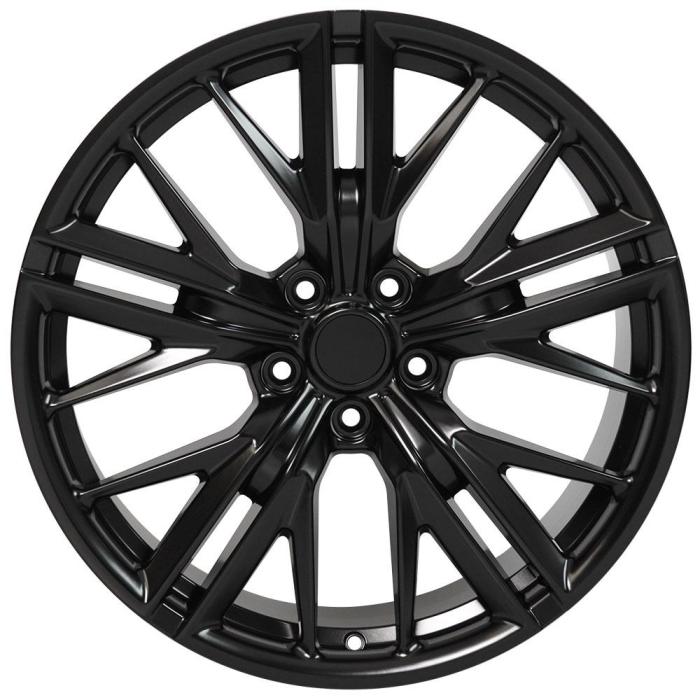
FR 28F – ZL1 GM TRUCK REPLICA WHEEL – GLOSS BLACK
In stock
Free shipping on orders over $100!
Replica Wheels
Replica wheels give drivers a cost-conscious way to achieve a familiar, performance-inspired look. They can refresh a stock vehicle, sharpen a custom build, or help create a stronger stance without changing the vehicle’s overall character.
Drivers search for replica wheels because they want style, fitment options, and a look that matches their vehicle. However, every wheel purchase needs careful review. The correct wheel must match your vehicle’s year, make, model, trim, bolt pattern, offset, and tire requirements.
The right replica wheel setup can bring a truck or SUV together. It can complement the paint color, trim, suspension height, and tire package. It can also make the vehicle look more personal from every angle.
First, choose the style you want. Then, confirm that the selected wheel fits your vehicle. This approach helps you build with confidence and avoid costly fitment issues.
Choose Replica Wheels That Match Your Style
Replica wheels often take inspiration from popular vehicle designs. They can offer a clean factory-plus appearance or a more aggressive performance-focused look. Many drivers choose them when they want a familiar wheel style with fresh finishes, larger diameters, or custom fitment options.
Your wheel finish plays a major role in the final result. Gloss black can create a bold, modern look. Chrome can deliver a brighter, classic appearance. Machined accents can add contrast and highlight the wheel face. Choose the finish that works with the rest of your build.
Also, think about the wheel’s profile. A deep-concave face can add visual depth. A multi-spoke style can create a more detailed appearance. A simpler spoke layout can support a clean and refined design.
The best replica wheels work with your vehicle, not against it. Therefore, match your wheel choice to the way you drive and the look you want to create.
Confirm the Right Fitment Before You Buy
Fitment matters more than style. Before ordering replica wheels, confirm your vehicle year, make, model, and trim. Next, check the bolt pattern, center bore, wheel diameter, width, offset, and backspacing.
These details affect how the wheel sits under the fender. They also affect brake clearance, tire compatibility, steering movement, and suspension clearance. A correct setup can create a balanced stance and support reliable daily driving.
Do not assume that a wheel fits because it looks similar to your factory wheels. Two vehicles may use different bolt patterns, offsets, or hub-bore measurements. Even different trim levels can change brake-clearance needs.
If your vehicle has a lift kit, leveling kit, lowering springs, aftermarket brakes, oversized tires, or modified fenders, share those details during your fitment review. Small changes can affect the replica wheel configuration you need.
Understand the Difference Between Replica Wheels and OEM Wheels
Replica wheels use design cues that may resemble well-known factory styles. However, they do not automatically come from the original vehicle manufacturer. A trustworthy product page should clearly identify the wheel brand and avoid suggesting an OEM affiliation that does not exist.
This transparency helps customers make informed choices. It also protects the value of the product page. Use vehicle names only to explain compatible applications. Do not present a replica wheel as original equipment unless the manufacturer confirms that status.
Before ordering, review the exact product details. Check the wheel brand, part number, finish, size, and fitment notes. Then review warranty coverage and return conditions.
Clear information builds trust. It also helps you compare replica wheels fairly across different brands and configurations.
Build a Better Look with the Right Wheel Setup
Replica wheels can transform a vehicle, but your complete setup creates the final result. Think about tire size, sidewall height, suspension height, paint color, brake calipers, exterior trim, and intended use.
For a clean daily-driver build, choose a wheel size and offset that support practical tire options and dependable clearance. For a more aggressive truck or SUV stance, select a configuration that fills the wheel well while still allowing room for steering and suspension movement.
Then, choose tires that match your goals. All-terrain tires can create a tougher truck look. Street-oriented tires can support a cleaner, more performance-focused appearance. Your tire choice should work with the wheel width and vehicle application.
A qualified wheel and tire professional can help with final fitment confirmation. They can inspect brake clearance, check lug hardware, mount the tires, and verify clearance before you drive.
Shop Replica Wheels with Confidence
Choose replica wheels when you want a style-led upgrade with vehicle-specific fitment. Start with your vehicle details. Confirm the selected specifications. Then choose a finish and tire package that supports your build.
A trustworthy replica-wheel page should include exact SKU information, wheel dimensions, bolt pattern, offset, center bore, load rating, finish details, warranty terms, and product photos. It should also make the non-OEM status clear when applicable.
The right replica wheel setup can give your truck or SUV a sharper, more personal look. Take the time to confirm fitment, select quality components, and use professional installation for the best result.
You May Also Like